Manila Boogie Woogie
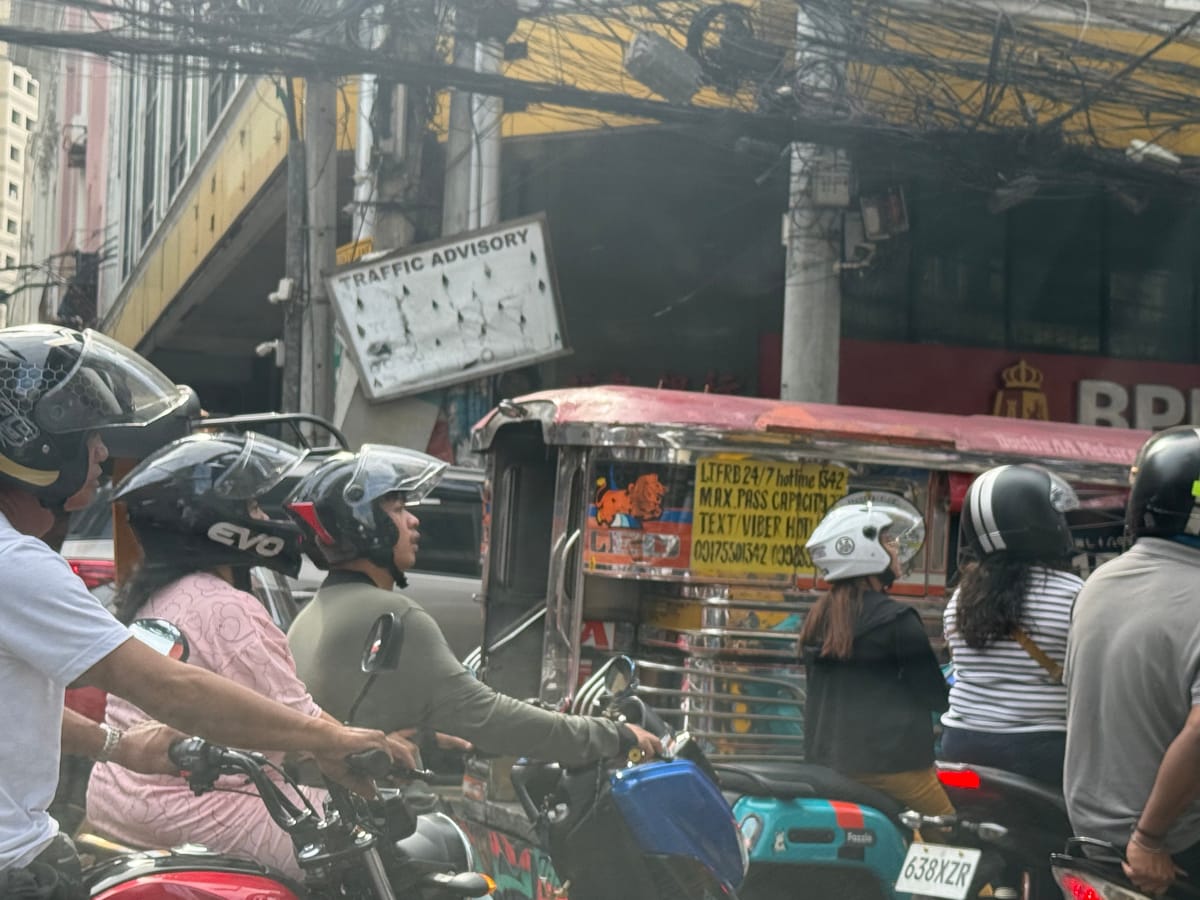
Navigating traffic in Manila reminds me of other vast cities I’ve visited — Cairo, New Delhi, Bangkok. Many traffic indices consistently rank Manila among the most congested cities in the world.
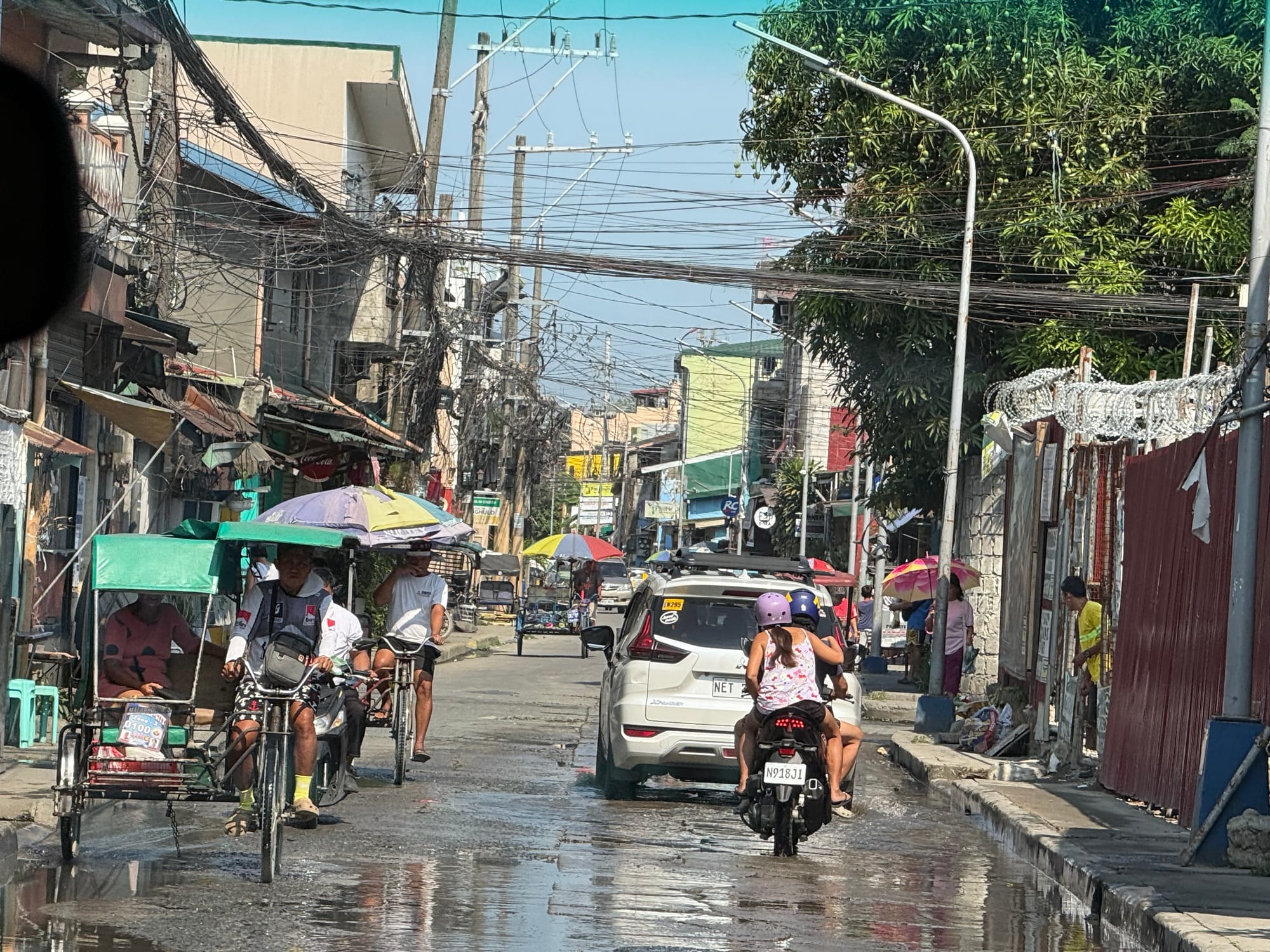
There is less allegiance to neatly painted lanes. Instead, there’s a kind of collective improvisation — a constant jockeying for position. What I might reflexively judge as discourteous driving back home feels here more like an organic ebb and flow among cars, jeepneys, motorcycles, buses, bicycle rickshaws, even the occasional horse-drawn cart.
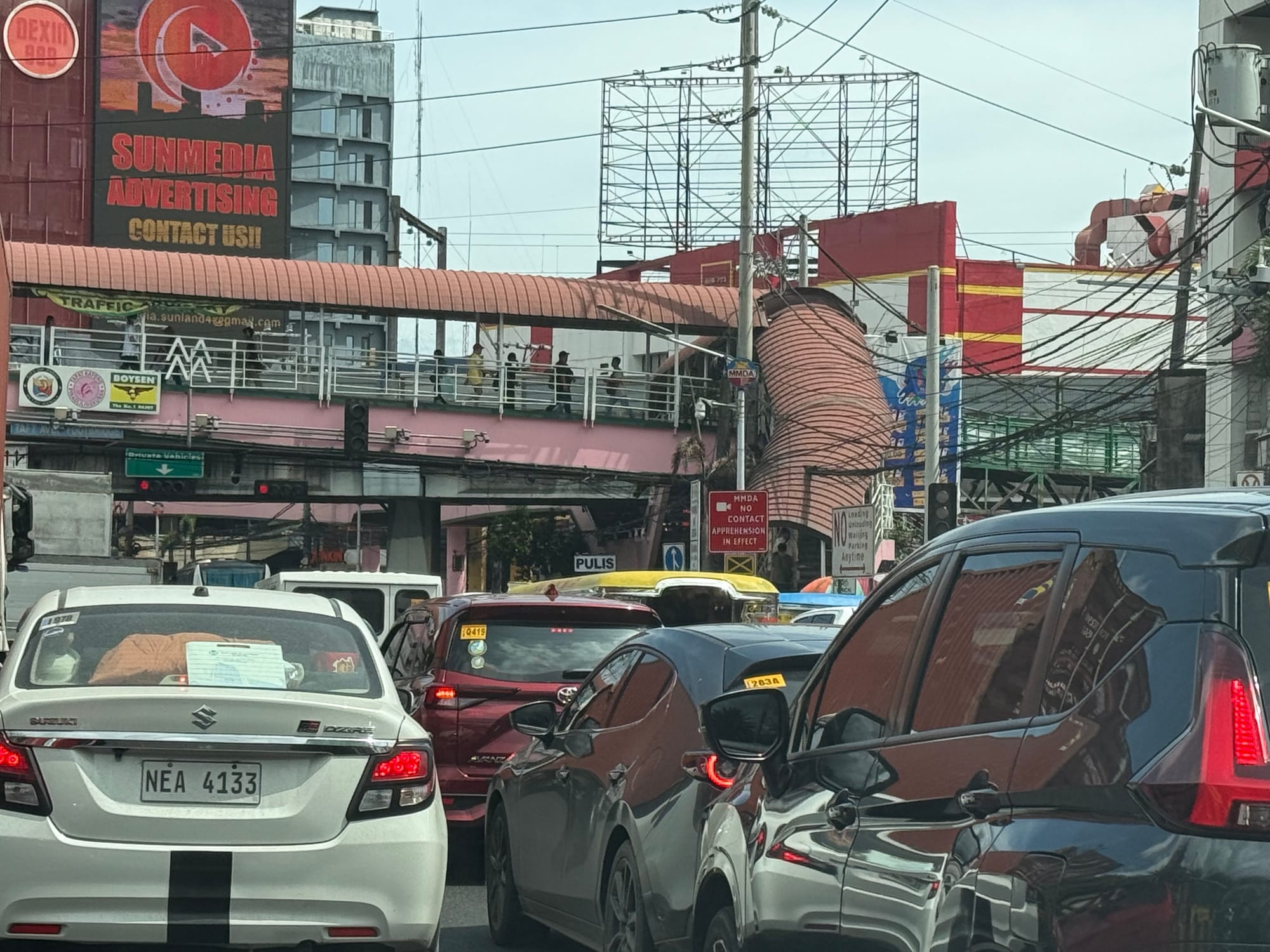
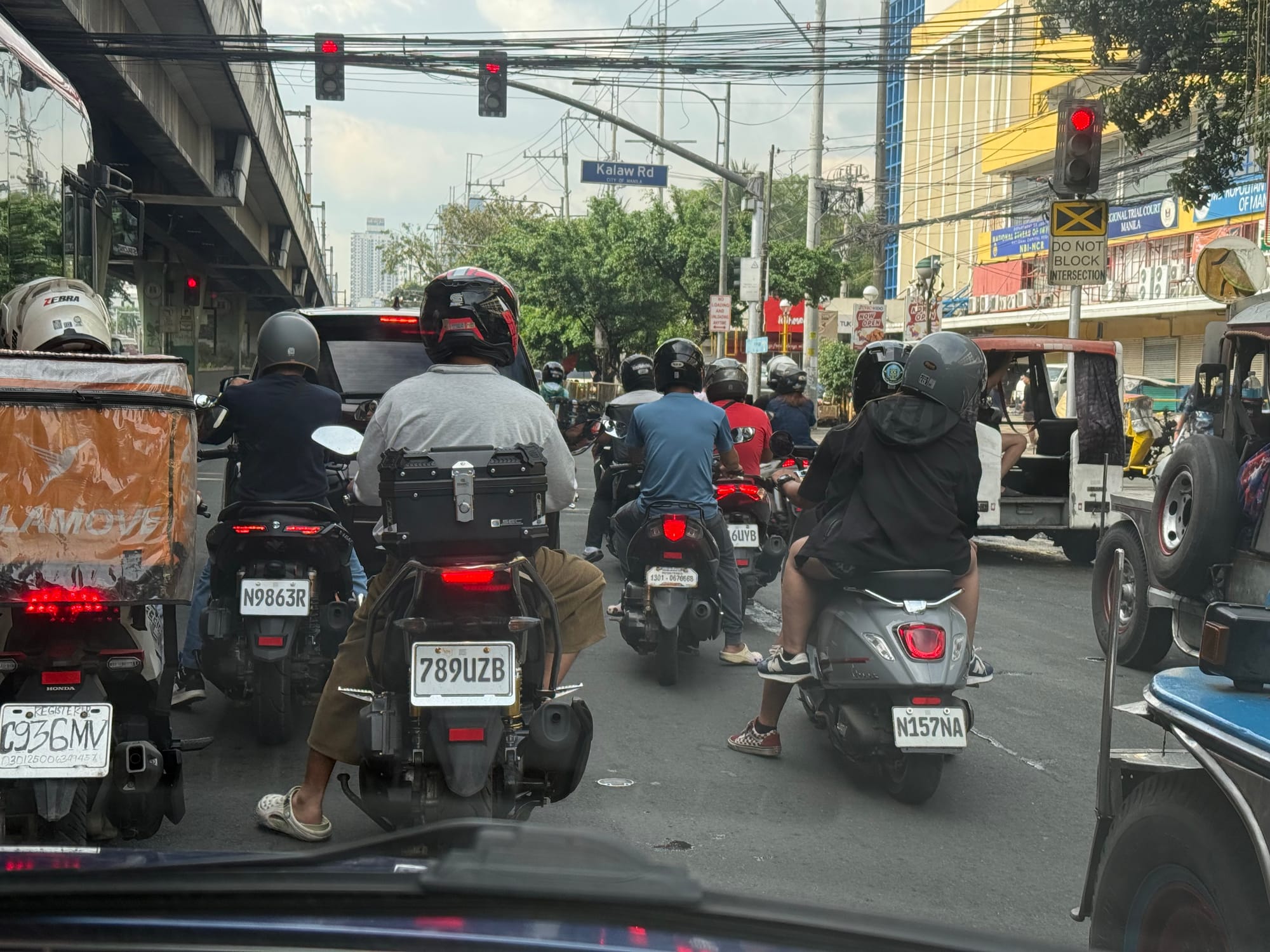
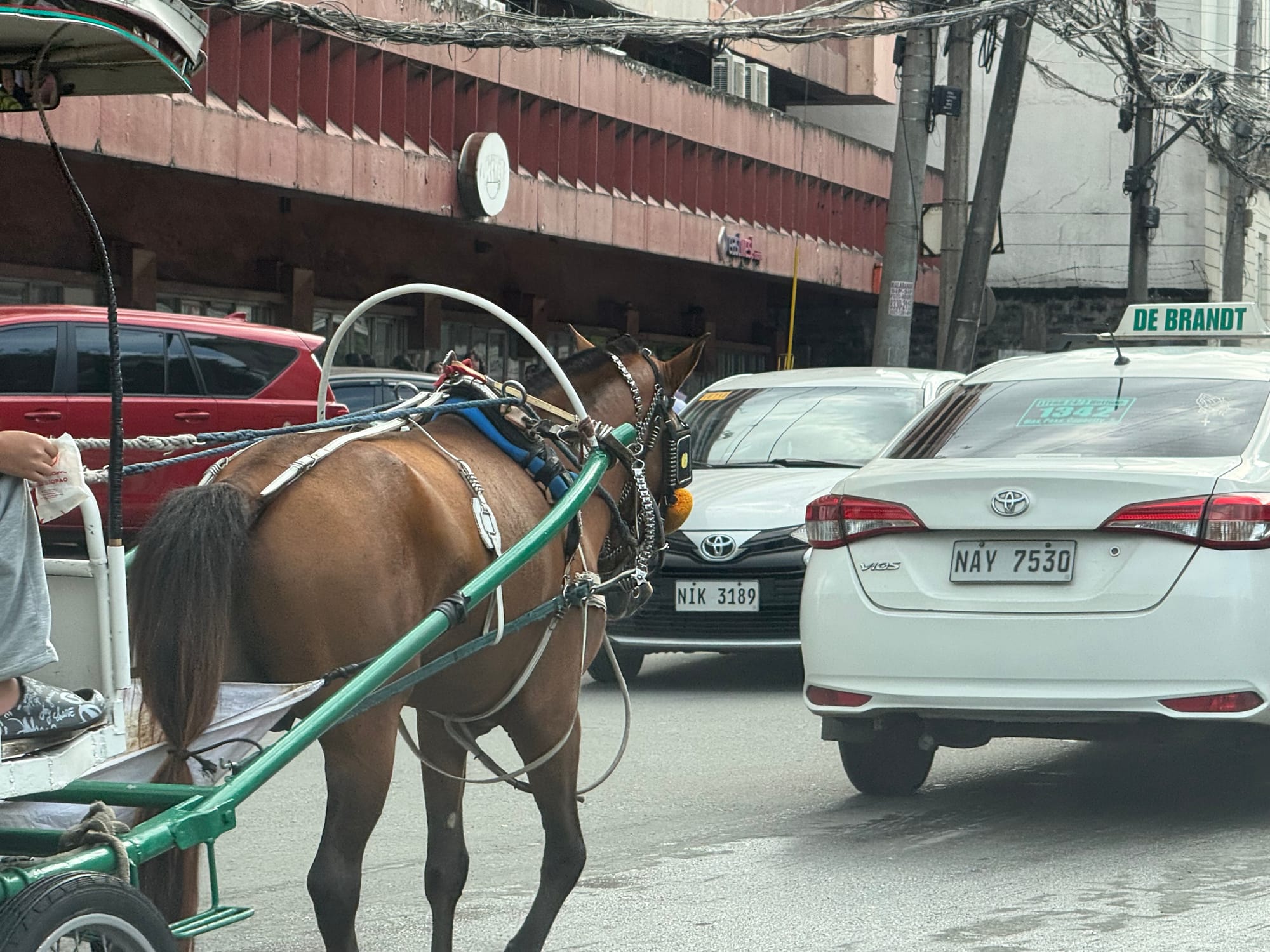
What appears chaotic at first glance reveals an underlying order — one implicitly understood by those inside it. Vehicles slip past one another, cross lanes, even straddle two at once. Yet no one seems intent on holding ground for long. The movement breathes. It swells forward and then collapses into sudden, prolonged stillness.
Drivers edge in front of you with what looks like inches to spare — behavior that would almost guarantee accidents in the United States. Yet here it somehow works. The drivers feel like master tai chi practitioners — responsive moment to moment, adjusting continuously to what is actually happening rather than what is supposed to happen. You cannot rely on expectation. Only attention.
This reminds me of how people queue in other parts of the world — boarding buses, buying train tickets, entering theaters. I first noticed it in New Delhi: people slipping past one another in tightly packed spaces without force or hostility. It’s a choreography rarely seen in similar situations back home.
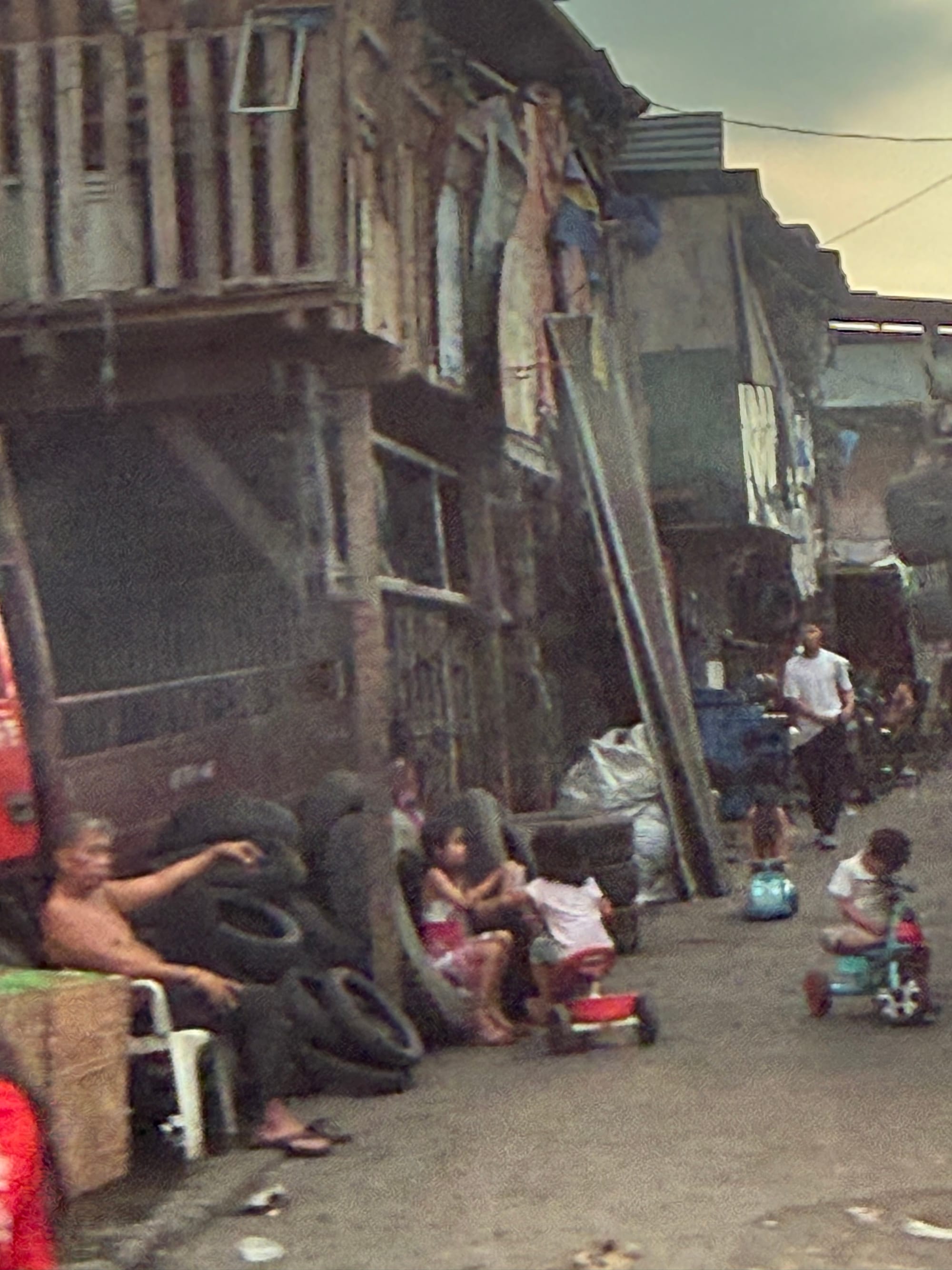
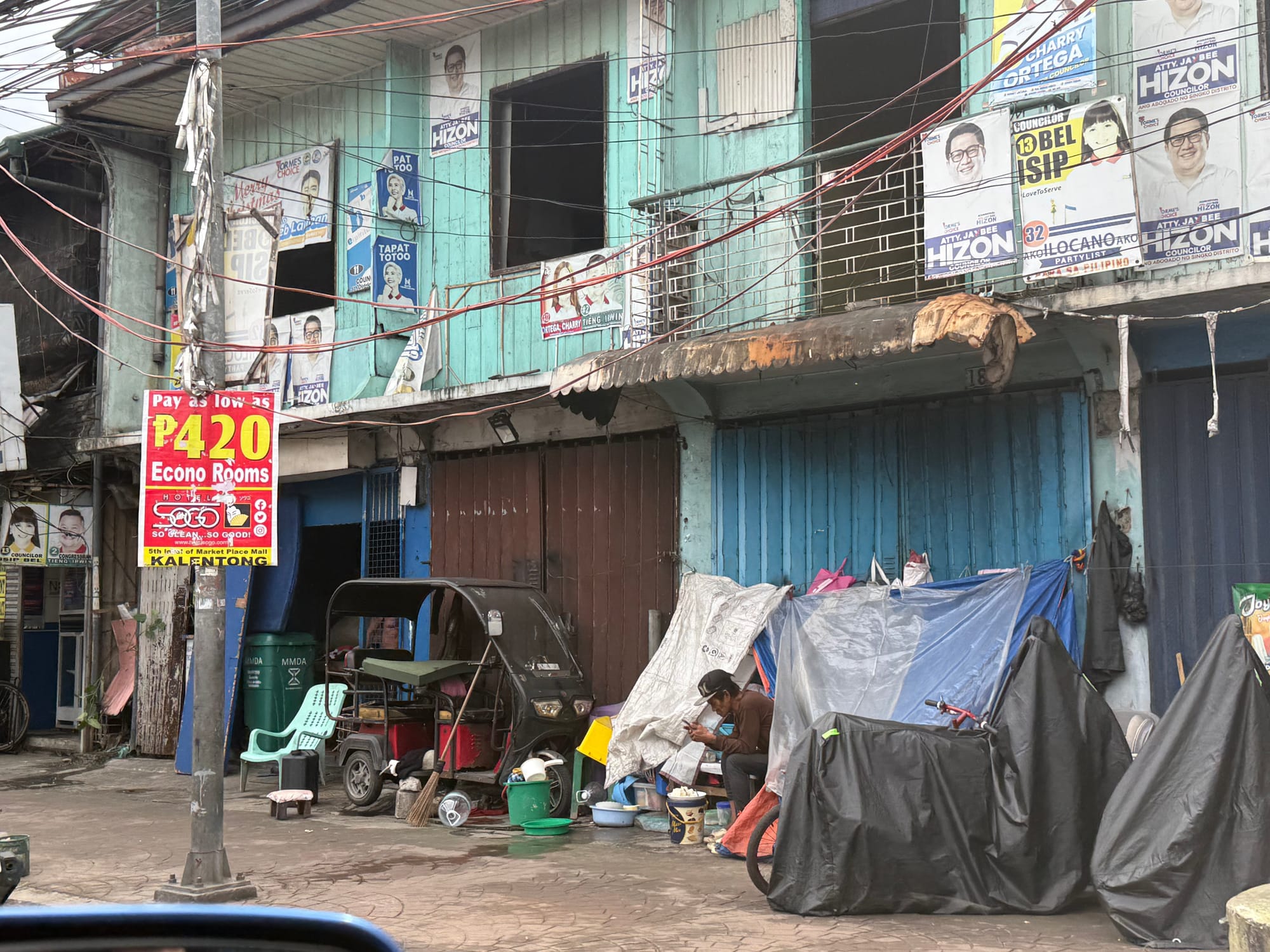
As you move through the city, you pass neighborhoods of gleaming high-tech towers alongside areas where people live in conditions I would once have labeled squalor. I was stunned by the number of skyscrapers — many condominiums, some apparently unoccupied — and by the continued pace of construction. Who are they for? The question lingers, especially when so many residents struggle to afford even modest shelter.
From my privileged vantage point, such living conditions initially seemed uninhabitable. Yet on closer inspection, what I thought of as squalor was often cleaner — less strewn with garbage — than places I’ve seen back in the States. People sweep constantly. Rubbish is gathered and removed. There is visible pride in tending one’s immediate surroundings, even amid hardship.
The juxtaposition between poverty and wealth is stark.
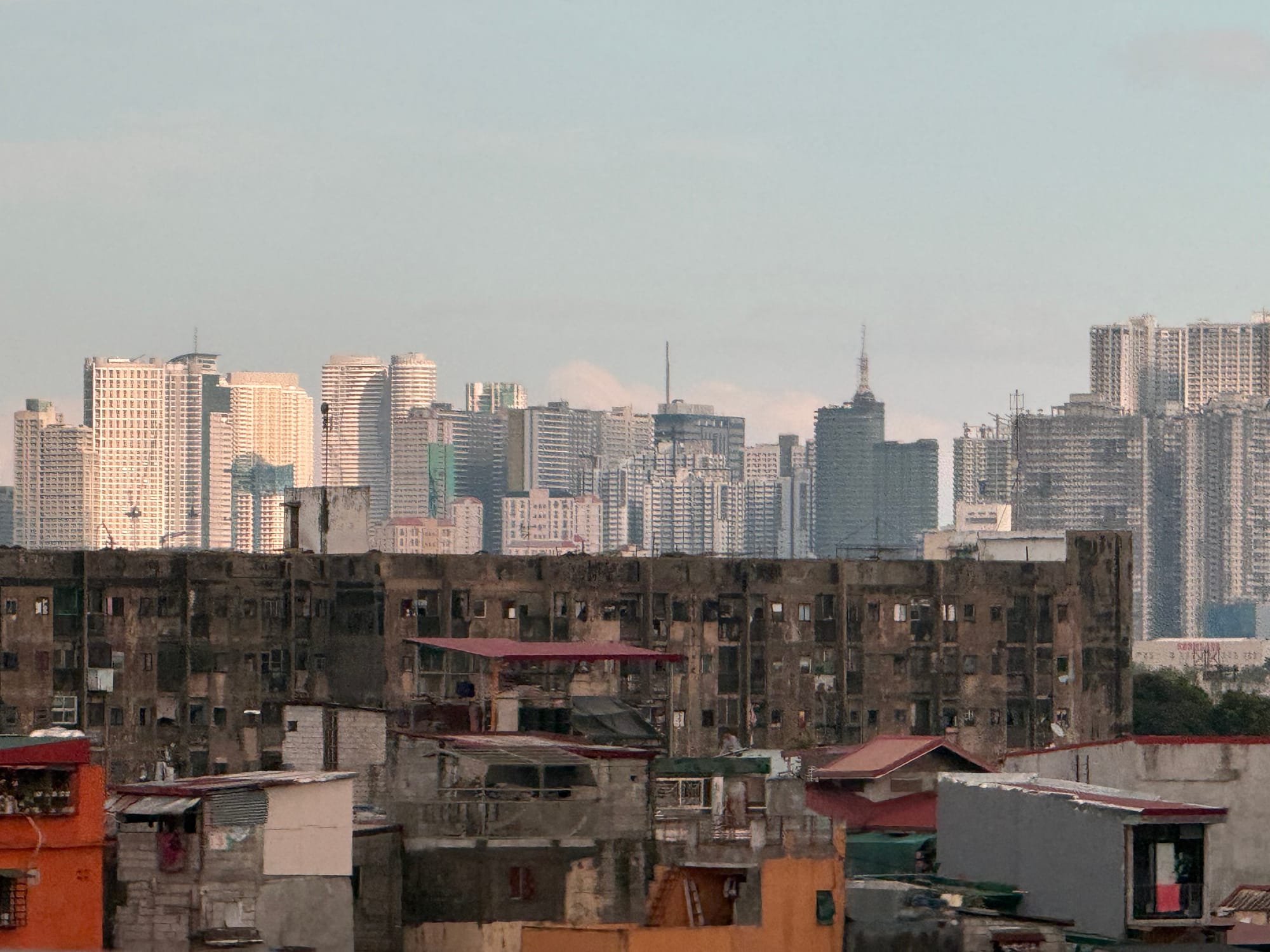
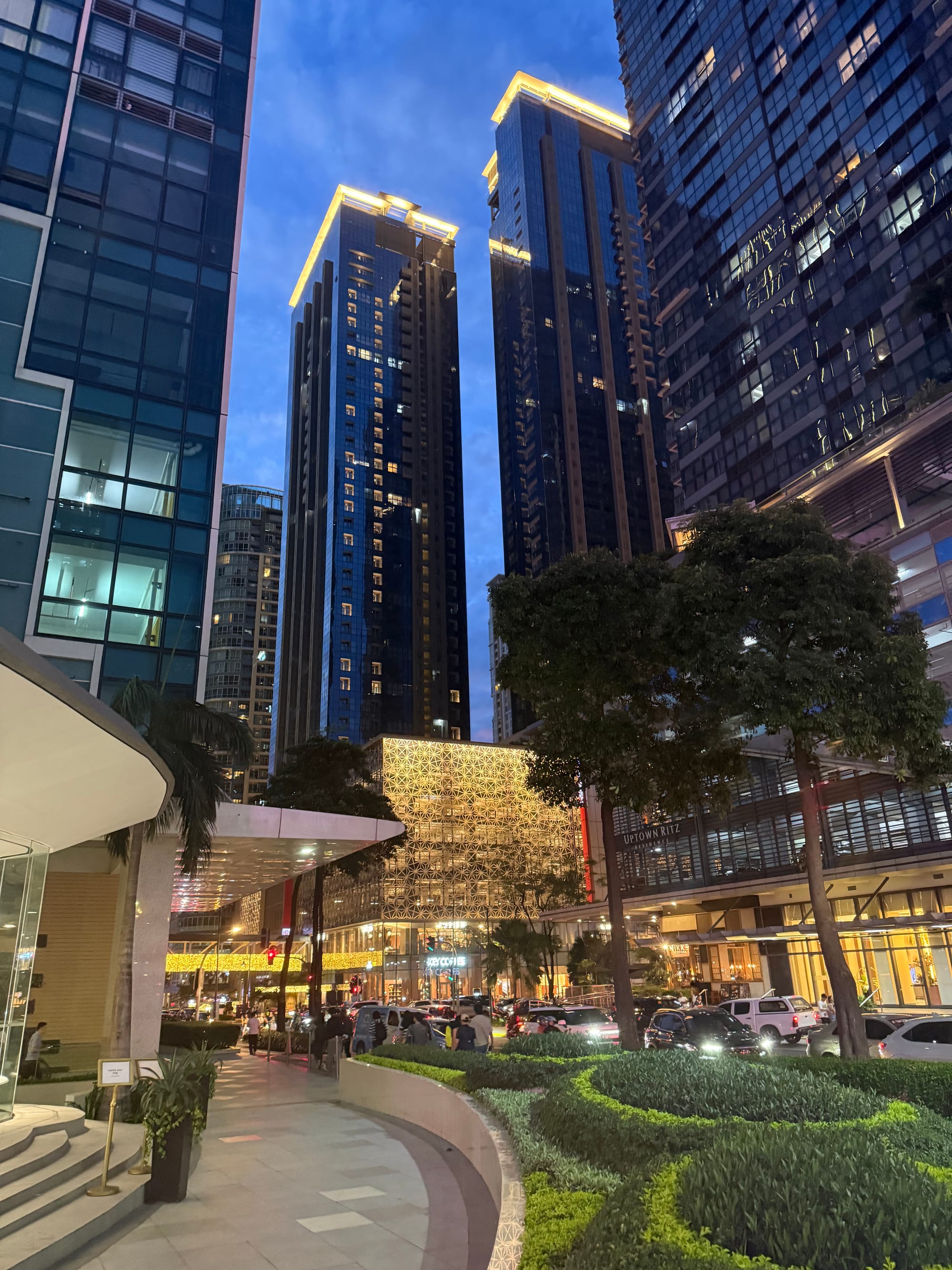
What adds another layer for me is the aesthetic of the high-rise condominiums. Their facades are marked by bold blocks of color arranged in grid-like patterns, reminiscent of the paintings of Piet Mondrian. He composed geometric grids punctuated by vivid squares of primary color. One painting in particular — Broadway Boogie Woogie — came to mind as I watched the city pulse.
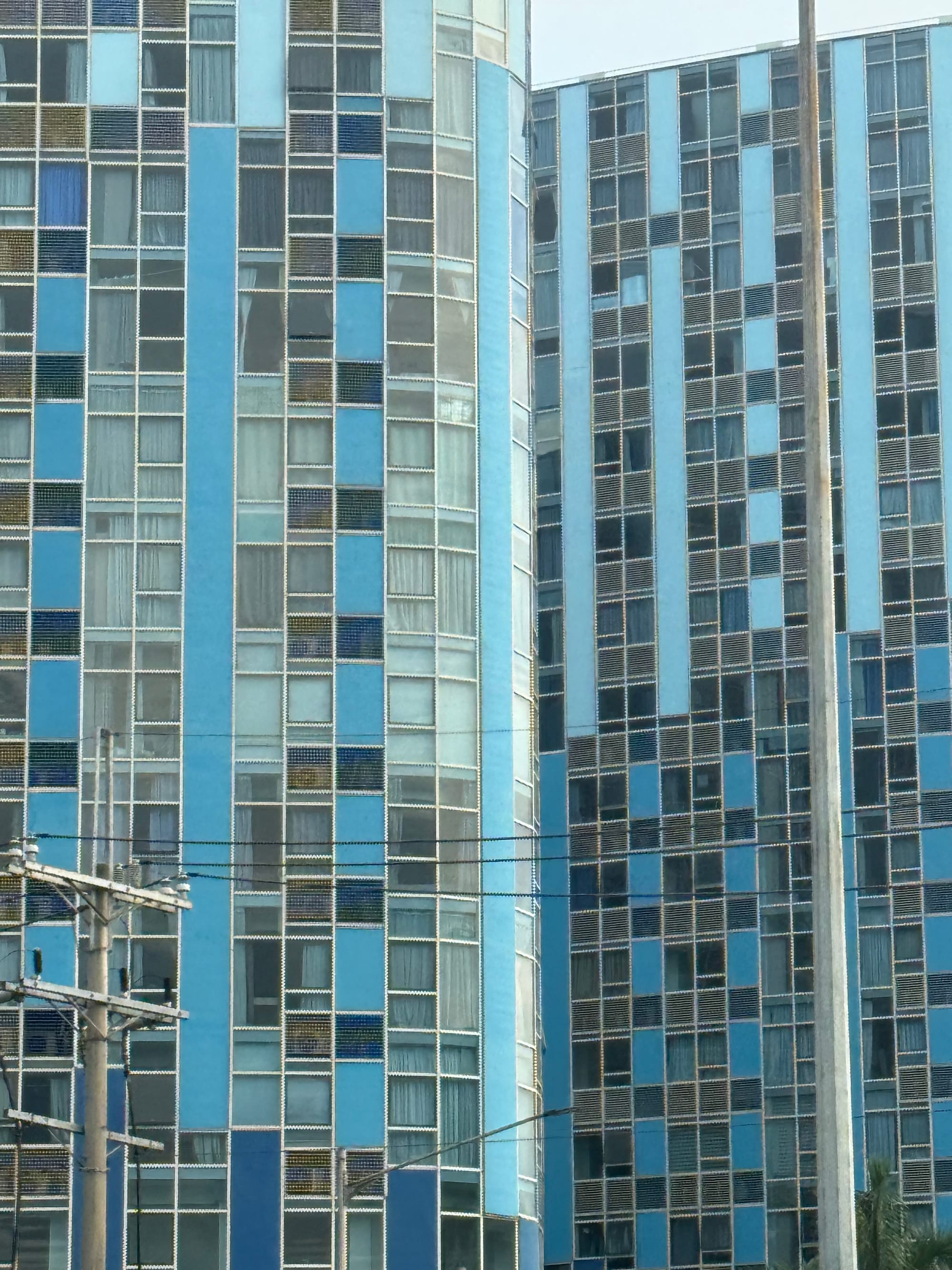
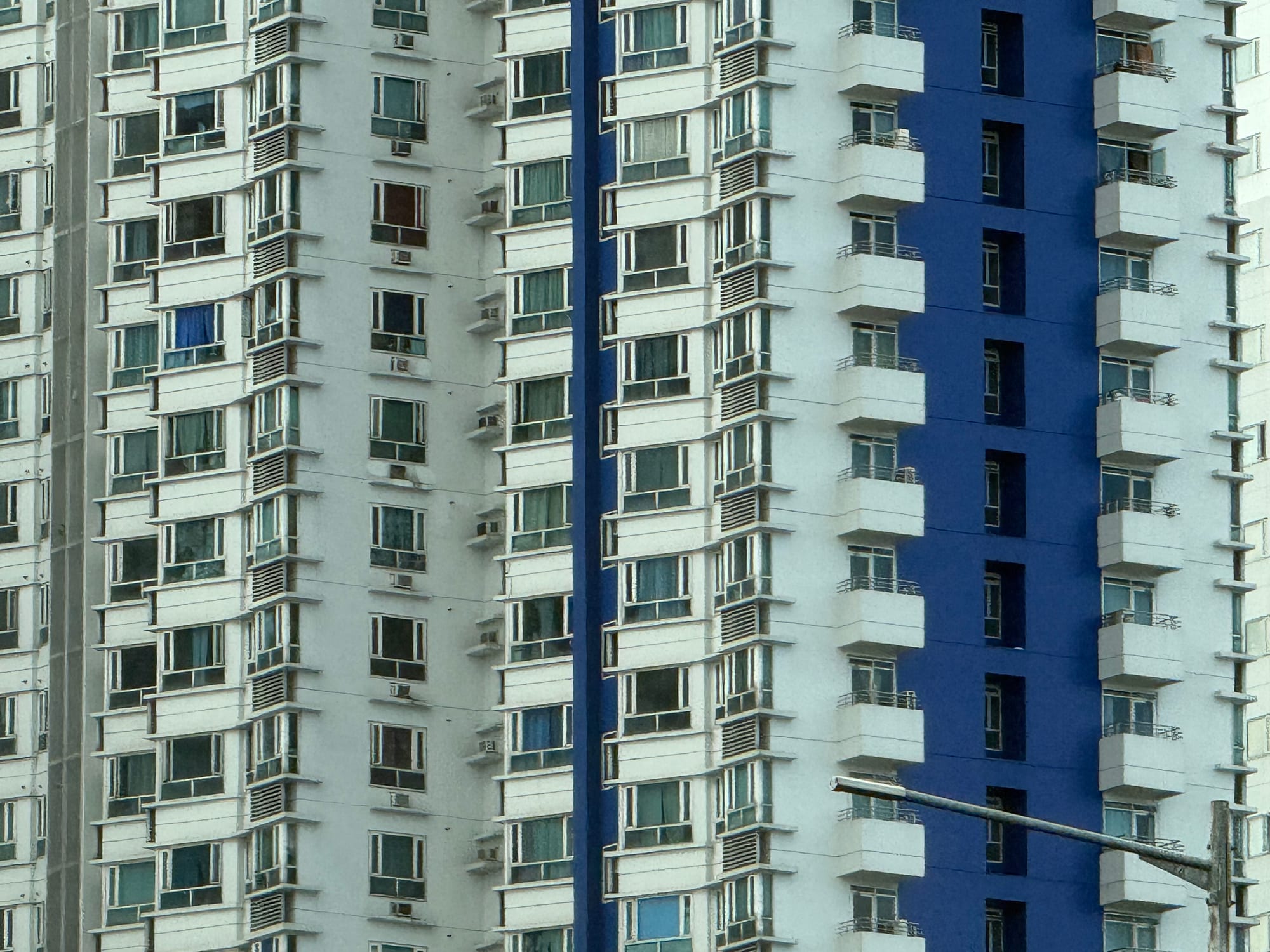
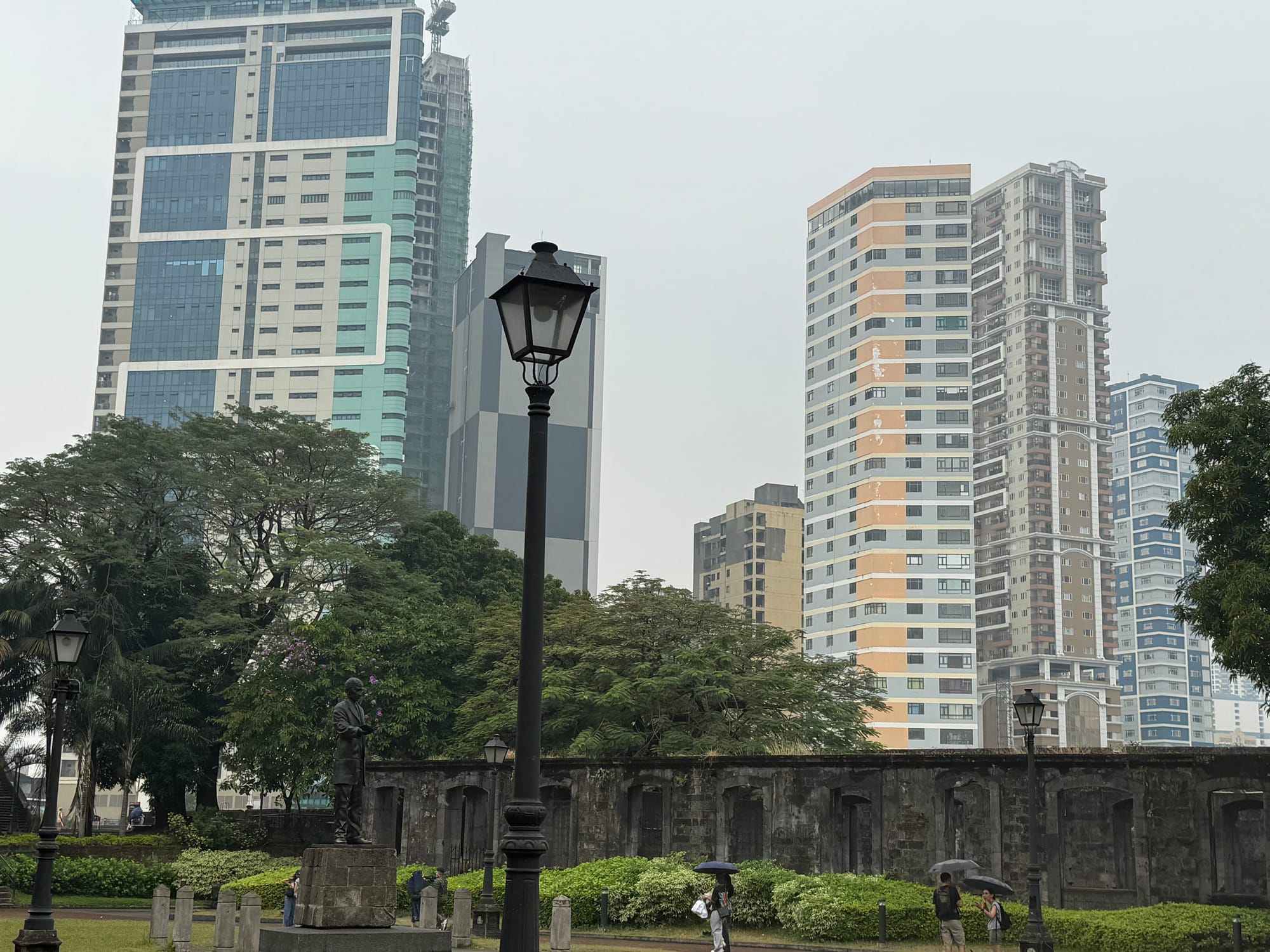
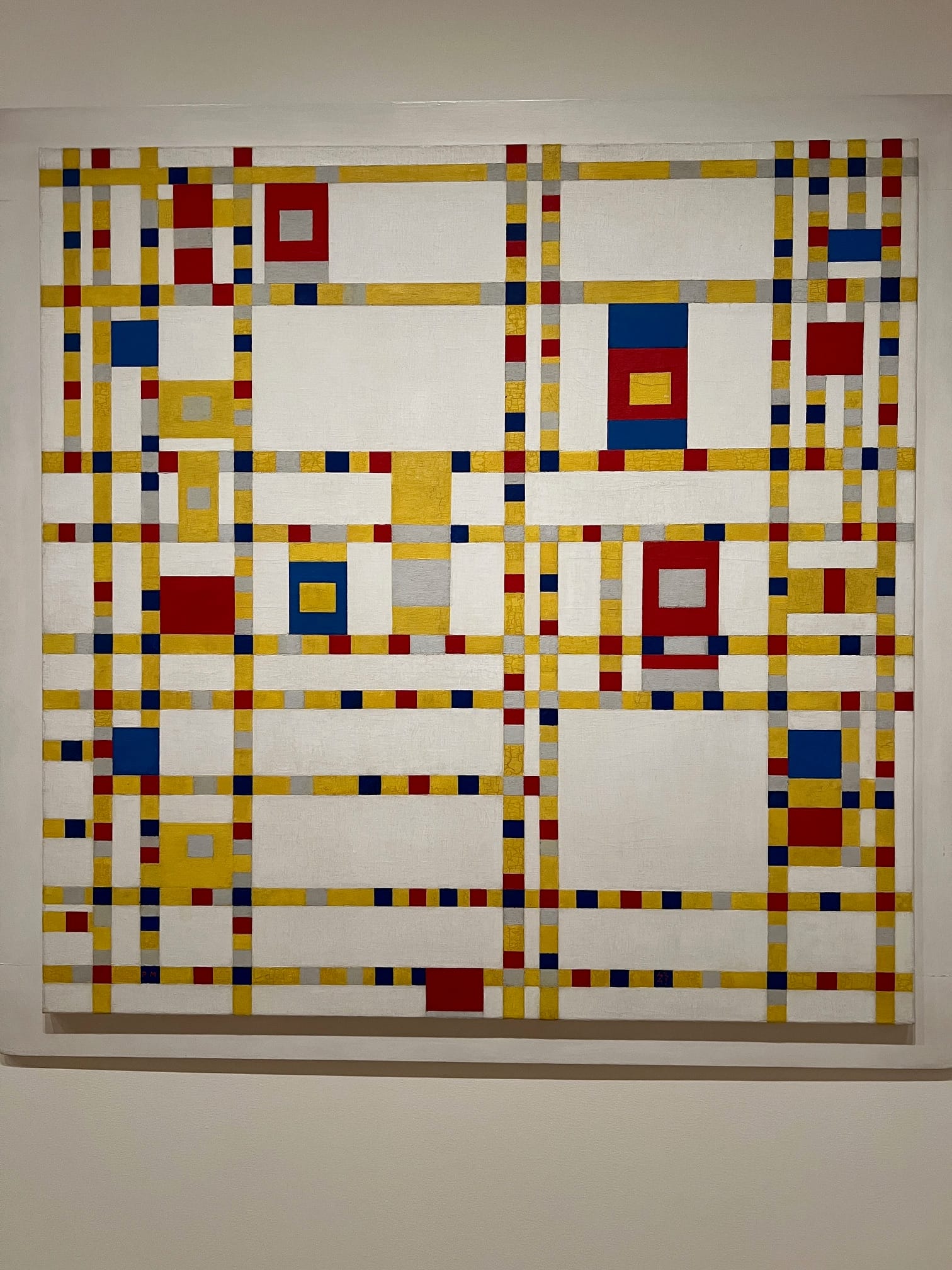
And so: Manila Boogie Woogie.